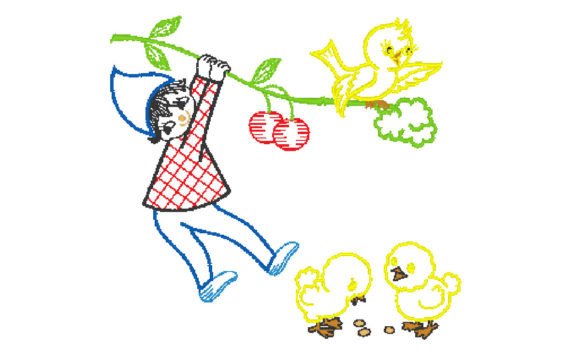
Boy and Little Chicks: A Designer's Real-World Review
As someone who has spent years stitching everything from delicate baby onesies to heavy-duty denim jackets, I approach every new machine embroidery design with a critical eye. The market is flooded with digital assets that look perfect on a screen but fall apart under the needle. When I first loaded the Boy and Little Chicks file into my software, I wasn't just looking for a cute image; I was looking for structural integrity, visual balance, and commercial viability. This design promises to give a nice look to your fabrics, but does it deliver when you move from the preview window to the actual hoop?
The First Impression: Mood and Composition
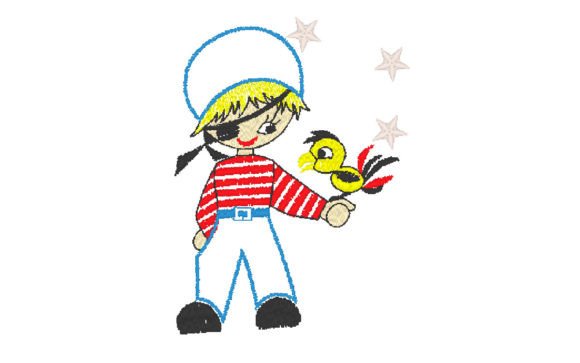
The initial visual of Boy and Little Chicks strikes a chord of gentle nostalgia. It captures a classic pastoral theme that resonates well within the Boys category, yet it avoids feeling overly cliché. The composition suggests a narrative—a child interacting with nature—which is always a strong selling point for personalized gifts and nursery decor. From a design perspective, the layout feels balanced. The proportions between the boy figure and the chicks appear to be scaled correctly, meaning the negative space isn't overwhelming, nor is the stitch density so high that it risks puckering lightweight materials.
However, as an experienced reviewer, I immediately start thinking about the stitch types. While the description doesn't explicitly detail the breakdown of satin stitch versus fill stitch, the visual cues suggest a mix. The outlines likely rely on running or satin stitches for definition, while the bodies probably use fill stitches for coverage. This combination is crucial for durability. If the fill stitch is too loose, the fabric will show through on darker backgrounds. If the satin stitches are too wide, they might split on textured fabrics. Before committing this design to a client order, I would always run a test on scrap fabric to confirm the stitch density holds up.
Real-Life Application: Where This Design Shines
Imagine you are preparing a custom embroidered tote bag for a spring craft fair. You want something that stands out against the sea of generic floral patterns. Boy and Little Chicks fits perfectly here. On a sturdy canvas tote, the design offers a charming focal point that appeals to parents looking for unique, handmade products. The whimsical nature of the design makes it an excellent candidate for sweatshirt embroidery, particularly on the chest or sleeve area. The softness of the subject matter pairs beautifully with the casual texture of fleece or cotton blends.
For Etsy sellers and small shop owners, this design is a versatile asset. It works exceptionally well as a baby embroidery project. Picture a personalized pillow cover for a nursery or a kitchen towel in a home where a toddler is growing up. The imagery is timeless enough to remain relevant beyond a single season, which increases the perceived value of the finished product. Furthermore, if you are creating an embroidered patch, the defined shapes of the boy and the chicks should translate well into a standalone applique-style finish, provided you use the right backing stabilizer.
This design also has potential for holiday embroidery projects. Think of Easter-themed apparel or gift bags. The connection between a child and chicks is inherently seasonal without being restricted to one specific holiday. For a craft business, having a design that can pivot between everyday wear and seasonal merchandise is a significant advantage. It allows you to maximize your inventory and offer variety to your customers without constantly hunting for new files.
Critical Considerations: Fabric and Technique
While Boy and Little Chicks is versatile, it is not a "one-size-fits-all" solution. As a professional, I must advise caution when using this machine embroidery design on certain materials. Thin or stretchy fabrics, such as jersey knit t-shirts, require careful handling. The weight of the thread and the pull of the needle can distort the fabric, making the boy and chicks look warped. In these cases, a cut-away stabilizer is non-negotiable to maintain the shape of the design.
Texture is another factor. If you are working with a heavily textured fabric like terrycloth or thick linen, the smaller details of the chicks' feathers or the boy's features might get lost in the weave. Always check the stitch density before starting. If the design is too dense, it can create a stiff, plastic-like feel on the garment, which reduces comfort and customer satisfaction. Conversely, if the design is too sparse, it may lack impact on dark fabrics. I recommend testing the design in black and white mockups first to see how the contrast plays out against different background colors.
Curved surfaces present their own challenges. If you plan to put this design on a cap or a curved section of a hoodie, ensure the hoop size matches the curvature of the object. Distortion on a curve can ruin the symmetry of the figures. Additionally, if you are layering garments or adding this to a complex item like an apron with multiple pockets, consider the placement carefully. The design needs room to breathe; crowding it near seams or zippers can lead to stitching errors.
Commercial Viability and Professional Presentation
For those running a craft business or selling digital products, the quality of your embroidery directly impacts buyer engagement and brand consistency. Boy and Little Chicks has the potential to elevate your portfolio if executed correctly. A clean, well-stitched design signals professionalism and attention to detail. Customers buying a handmade product are paying for the craftsmanship as much as the design itself. If the thread colors pop and the edges are smooth, you build trust with your clientele.
However, remember to verify the licensing terms before selling finished items or digital products. Just because a design comes with multiple embroidery file formats does not automatically grant commercial rights for resale. Always confirm whether you can sell the physical goods you create or if the license restricts you to personal use. Using a design illegally can damage your reputation and lead to legal issues.
To maximize the appeal of this design, consider creating printable mockups for your online store. Show the design on various items like baby clothes, tote bags, and caps to help customers visualize the final result. Highlight the versatility of the design by showing it in different thread color combinations. A neutral palette might suit a modern nursery, while bright yellows and blues could appeal to a more playful aesthetic.
Final Thoughts for the Maker
In conclusion, Boy and Little Chicks is a solid addition to any designer's library, offering a blend of charm and practicality. It performs well on standard apparel and home decor items, making it a reliable choice for both hobbyists and professionals. However, its success depends on your preparation. Test the design on scrap fabric, choose the appropriate stabilizer, and pay close attention to thread contrast and fabric texture. By taking these practical steps, you ensure that the finished product looks as good in reality as it does on your screen. Whether you are creating a personalized gift for a friend or stocking shelves for your boutique, this design has the potential to add a touch of warmth and personality to your work.